What is ASCII art?
ASCII art uses keyboard characters and basic Unicode symbols to create images, borders, and decorative patterns. Classic examples include text borders, simple faces, and typographic art.
Loading pageThe #ascii aesthetic turns plain characters into something genuinely creative. Think borders made of symbols, tiny text art faces, and decorative elements built entirely from your keyboard — it's a retro-internet art form that still hits incredibly hard in modern profiles.
4 vibes found
You've reached the bottom of the ocean (4 vibes)
The #ascii aesthetic turns plain characters into something genuinely creative. Think borders made of symbols, tiny text art faces, and decorative elements built entirely from your keyboard — it's a retro-internet art form that still hits incredibly hard in modern profiles.
ASCII art has roots going back to early computer culture and bulletin board systems in the 70s and 80s, long before emojis or images were even a possibility. Internet aesthetics revived it as a nostalgic and creative callback that carries real craft and personality.
End of archive • Updated 2026
ASCII art uses keyboard characters and basic Unicode symbols to create images, borders, and decorative patterns. Classic examples include text borders, simple faces, and typographic art.
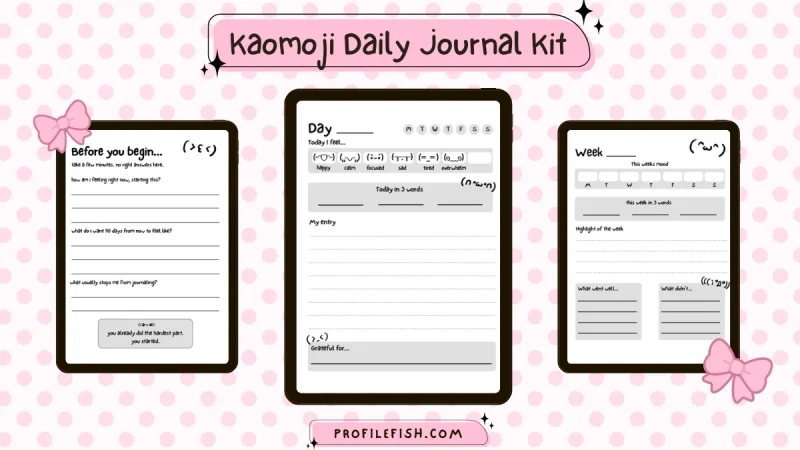
Kaomoji are specifically text faces (◕‿◕). ASCII art is broader — it includes any image or pattern made from keyboard characters. Kaomoji are a subset of the ASCII art tradition.
Yes. Discord renders Unicode and supports text art well. Simple borders and kaomoji work particularly cleanly in Discord's monospace code blocks.
ASCII art originated in bulletin board systems (BBS) in the late 1970s and 80s, where images couldn't be transmitted — so creators built them from the available character set.
For simple borders and decorative text, combine Unicode characters like ╔═══╗ ║ ║ ╚═══╝. For faces, start from existing kaomoji and customize. The kaomoji tool on this site is a good starting point.